Breed guide
The Spitz
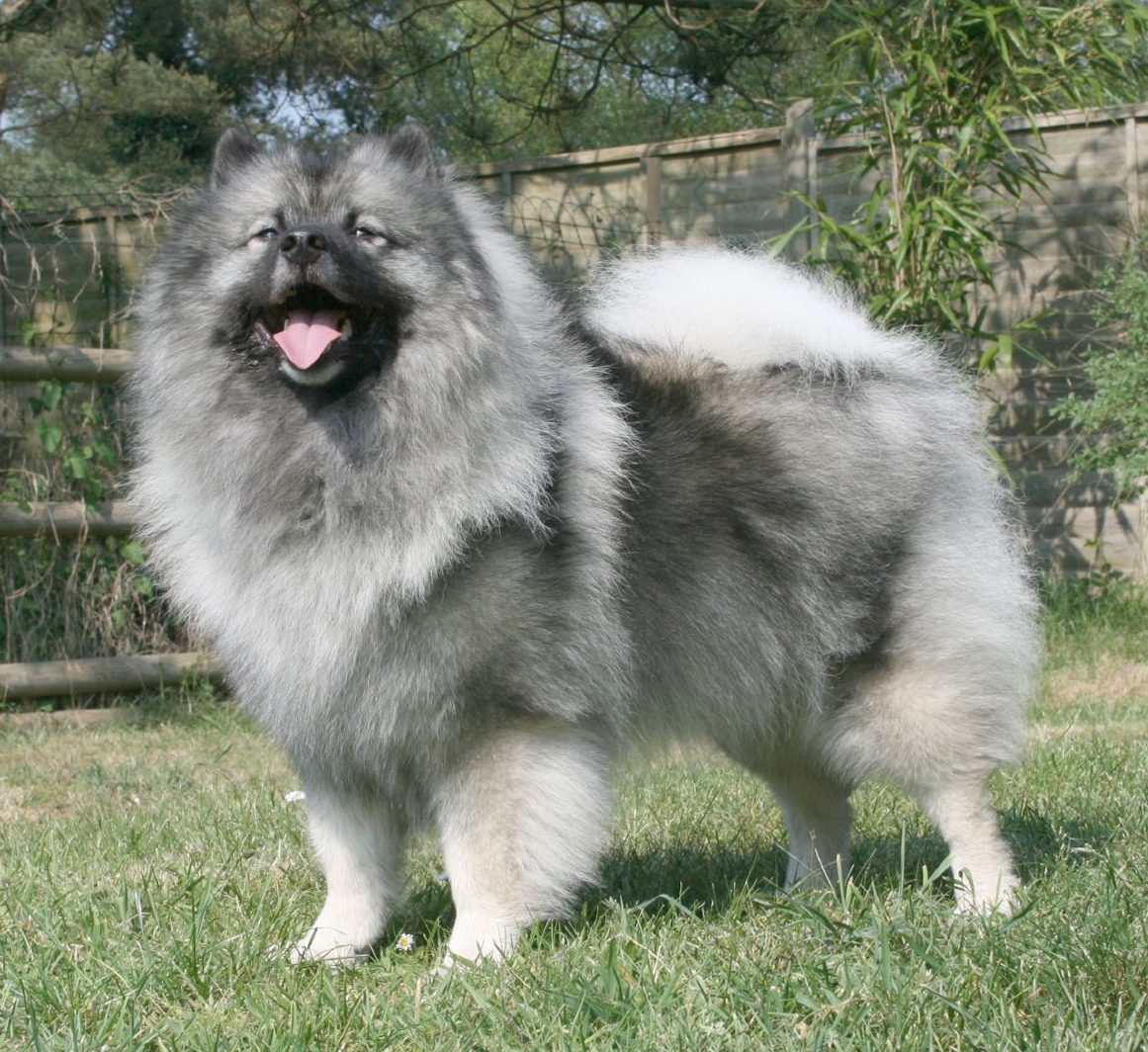
Wolfspitz · Keeshond — the same breed under two names. Bright, vocal, and covered in considerably more coat than seems necessary.
Is this breed for you?
The Spitz suits more households than most breeds: moderate size, moderate exercise, adaptable, good with children, and long-lived. The two honest warnings are the coat and the voice. If you are not prepared to brush regularly, or you live somewhere that barking causes problems, think carefully — those two things are the breed, not a training failure.
- Size
- 43–55 cm, 15–20 kg
- Coat
- Double, long — heavy seasonal shedding
- Exercise
- 45–60 minutes daily
- Lifespan
- 13–15 years
- Good with
- Families, first-time owners, flats
- Worth knowing
- They bark. It is in the job description.
Character
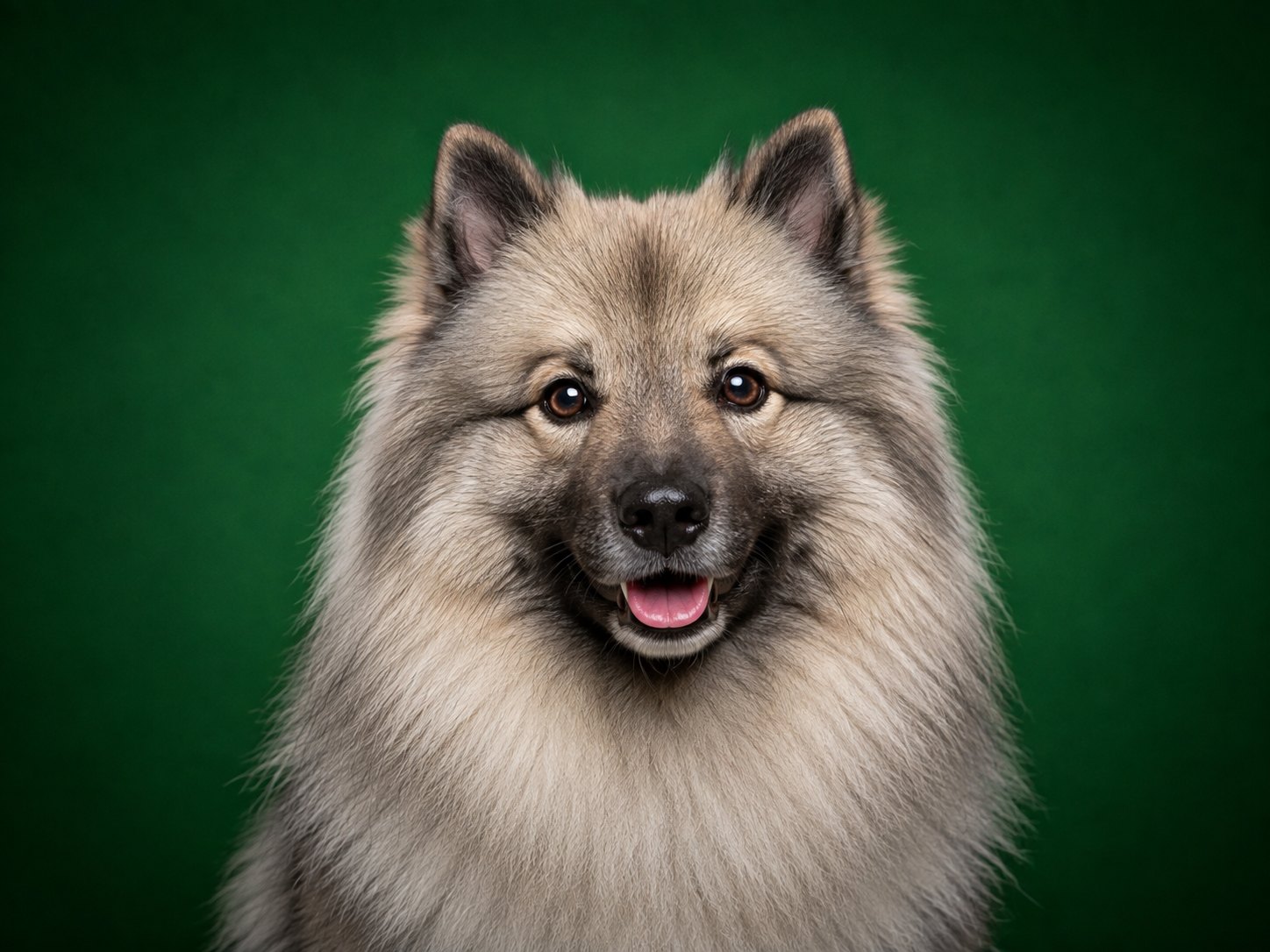
The Spitz was bred to watch — farms, boats, families. That history shows in a dog that notices everything, announces most of it, and stays firmly attached to its household without being needy.
They are intelligent, expressive and genuinely funny to live with. They learn quickly and enjoy the process, which makes them rewarding for owners with less experience. The same intelligence means a bored Spitz becomes an inventive Spitz.
They are people-oriented but not clingy, and they tend to be friendly with strangers once introduced. What they are not is silent: barking is part of the breed, and while it can be managed with training, it cannot be eliminated.
Exercise and daily life
Moderate needs — around an hour of walking and play, plus something to think about. They are content in a flat provided they get out properly, which makes them easier to fit into ordinary life than many breeds their size.
They enjoy training and dog sports, and they are excellent at learning tricks. Mental work matters as much as physical for this breed.
They handle cold beautifully and heat poorly. In a Greek summer that means early mornings, late evenings, shade and water — never the middle of the day.
That coat
The double coat is the first thing everyone notices and the thing most underestimated. It needs brushing once or twice a week, and daily during the two heavy shedding periods each year, when the undercoat comes out in clouds.
It should never be shaved. The double coat insulates against heat as well as cold, and shaving damages its structure, sometimes permanently.
Handled properly, the coat is largely self-cleaning and the breed has little odour. Handled badly, it mats — and matted undercoat is painful and hard to fix.
Health
The Spitz is a robust, long-lived breed, which is part of what drew us to it. That does not mean testing is optional.
Hip and elbow scoring covers the joint problems seen in the breed. Patellar luxation is worth attention in dogs of this size.
Eye examination screens for the hereditary conditions recorded in the breed, and is repeated rather than done once, since some conditions appear later in life.
What we test
- Hips — Official radiographic scoring
- Elbows — Official radiographic scoring
- Eyes — Ophthalmologist examination
Questions about the breed, or thinking about a puppy?