Breed guide
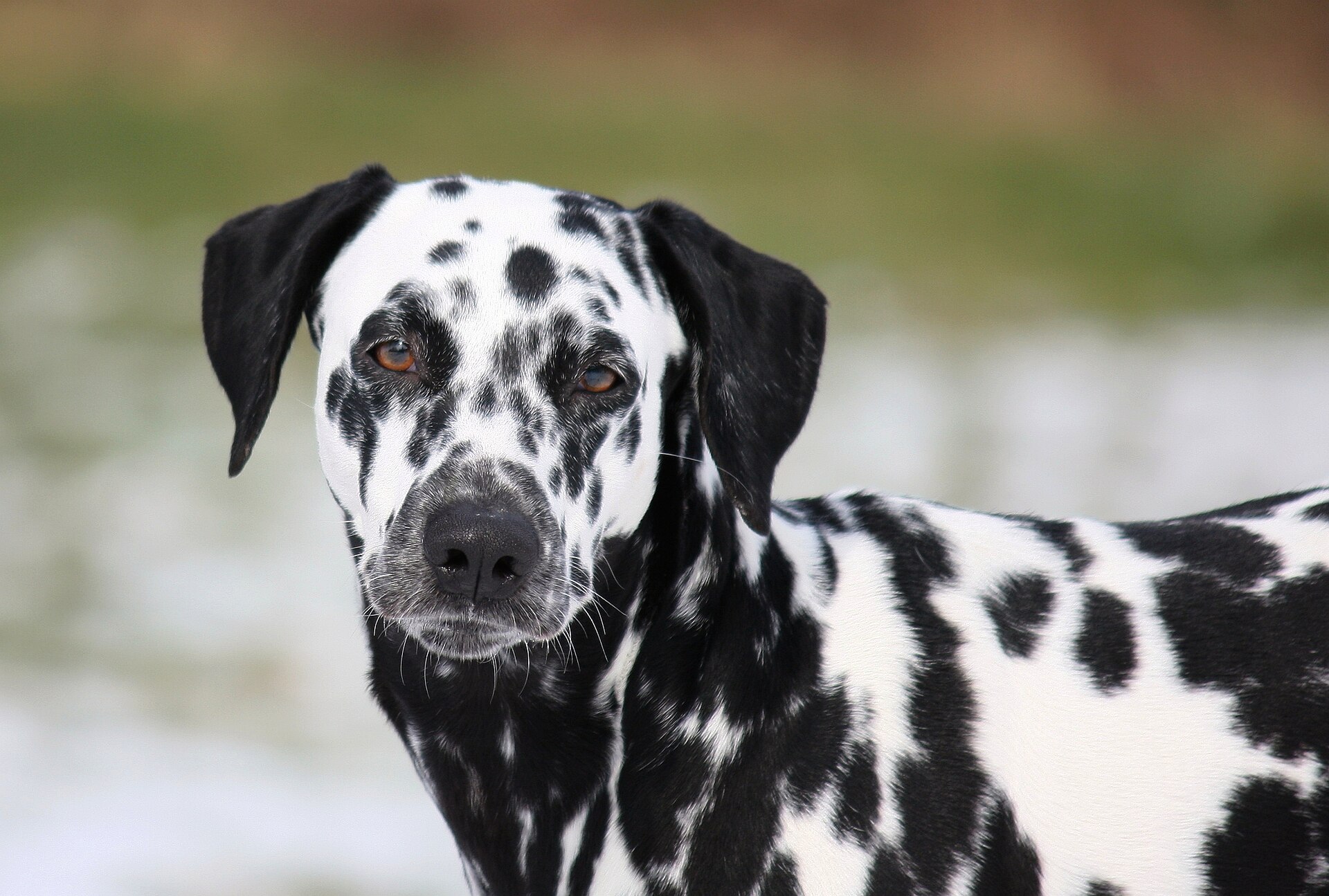
The Dalmatian
Athletic, sociable and famously demanding of your time. Here is what the spots do not tell you.
Is this breed for you?
A Dalmatian is a wonderful dog for the right home and a difficult one for the wrong home. If you want a dog that joins you on long runs, learns fast and stays close, this breed will not disappoint. If you work long hours, dislike dog hair, or want a calm companion that is happy with a short walk, look at another breed — and no good breeder will hold that against you.
- Size
- 54–62 cm, 24–32 kg
- Coat
- Short, dense — sheds all year
- Exercise
- 90+ minutes daily, every day
- Lifespan
- 11–14 years
- Good with
- Active families, older children
- Not ideal for
- Long hours alone, small flats
Character
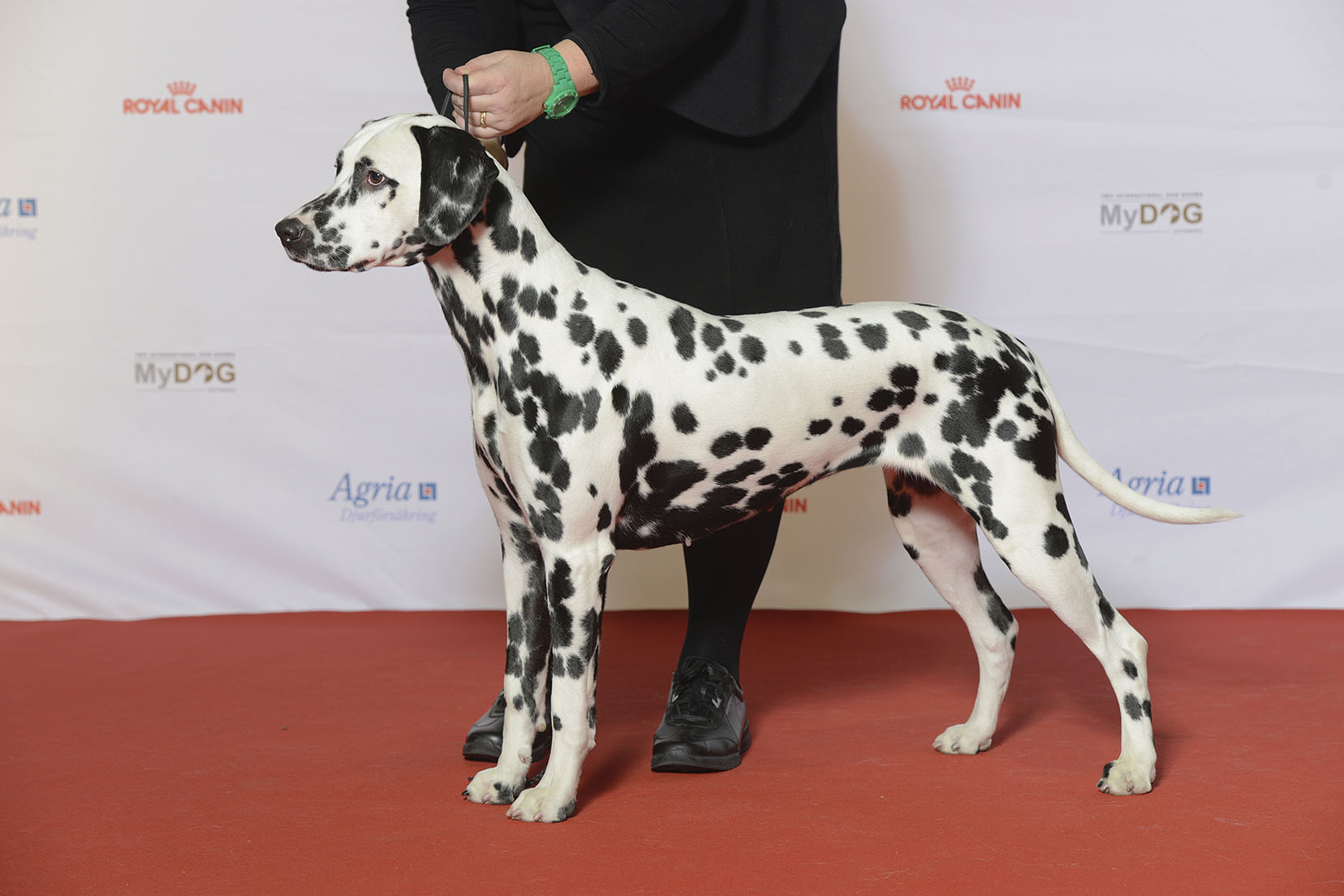
The Dalmatian is a working dog in a party outfit. Bred to run for hours alongside carriages, it kept the stamina, the alertness and the strong attachment to its people — and none of these disappear because the dog now lives in a flat.
They are affectionate, playful and deeply social. A Dalmatian wants to be in the room with you, not in the garden by itself. That closeness is what owners love most, and also what makes them poorly suited to households where the dog would be alone all day.
They are sensitive dogs. Harsh methods do not work and usually make things worse; consistency, clarity and early socialisation do.
Exercise and daily life
Plan for at least ninety minutes of real activity every day — not a walk around the block. A Dalmatian that does not get it will find its own entertainment, and you will not enjoy the result.
They excel at anything that involves running: jogging companions, dog sports, long hikes. They also need mental work. Training sessions, puzzle feeders and games are not extras for this breed.
The good news is that a well-exercised Dalmatian is a calm, easy housemate. The problem behaviours people describe are almost always an energy problem in disguise.
Coat and care
The coat is short, dense and sheds constantly. The stiff white hairs weave into fabric and are genuinely hard to remove. If shedding is a problem for your household, this is not your breed — no amount of grooming changes it.
Otherwise care is simple: weekly brushing, occasional baths, regular nail trims. The short coat offers little protection from cold, so a coat in winter is sensible.
Health
Two things matter most in this breed, and both are testable.
Congenital deafness is linked to the breed’s white coat. Puppies are born deaf, unilaterally or bilaterally, and it cannot be detected by observation — a bilaterally hearing dog and a one-sided one behave identically at eight weeks. The BAER test is the only reliable answer, and every responsible breeder does it on every puppy.
Dalmatians also have a unique urinary metabolism that makes urate stones a risk, particularly in males. Fresh water at all times, and a diet suited to the breed, matter more here than in most dogs.
Hip and elbow scoring covers the joint issues common to medium-sized athletic breeds.
What we test
- BAER — Hearing, on every puppy before it leaves
- Hips — Official radiographic scoring
- Elbows — Official radiographic scoring
Questions about the breed, or thinking about a puppy?